
News
-
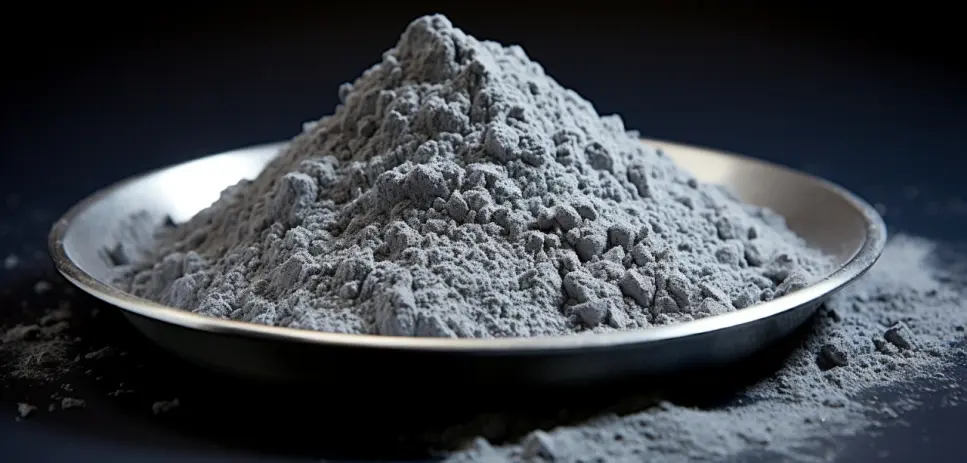
AgNi2C5 – A silver-based electrical contact material specifically designed for low-voltage electrical appliances
As low-voltage electrical appliances evolve towards higher voltage and longer lifespans, the performance requirements for electrical contact materials are becoming increasingly stringent. AgNi2C5, a silver-nickel-graphite composite material, demonstrates unique applicati...Read more -
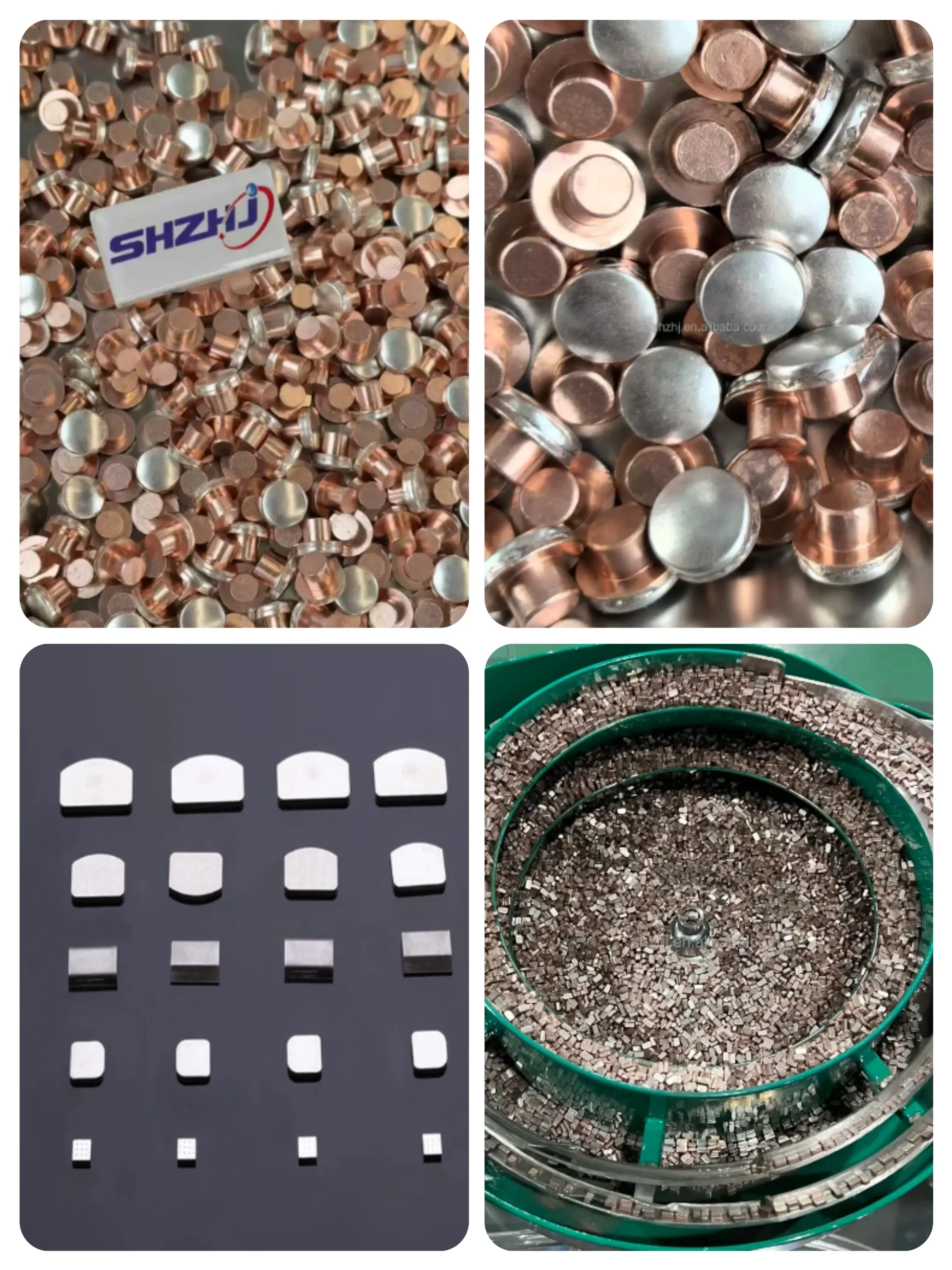
Technological Advancements in Electrical Contact Materials: High-Performance Alloys Boosting Reliability from Low to High Voltage
As power systems demand higher safety and longer service life, electrical contact materials—core components in low- and high-voltage apparatus—are undergoing significant technological upgrades. Currently, silver-based, copper-based, and composite materials offer distinct...Read more -
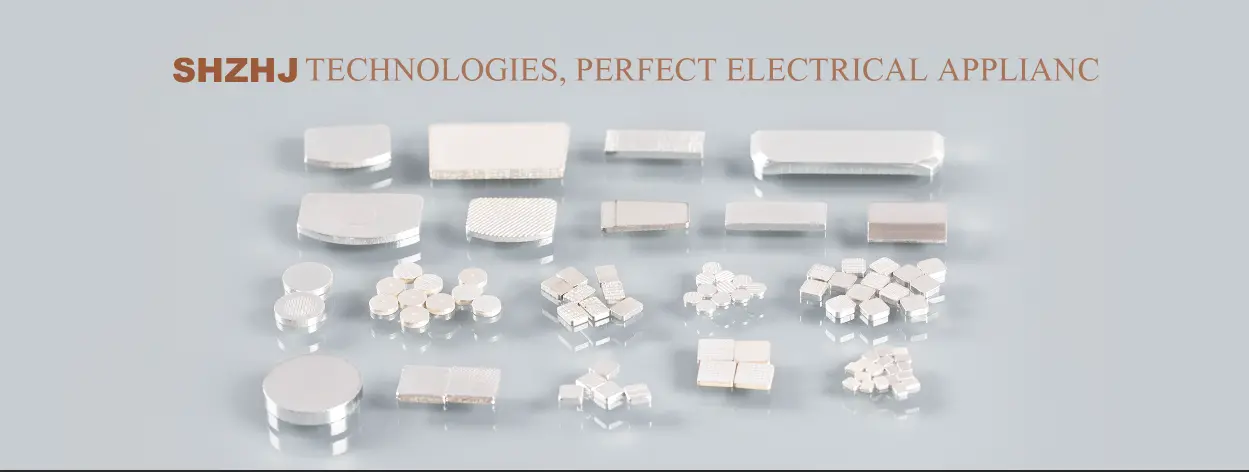
What materials are used for the contacts of high-voltage power equipment?
According to Chinese national standard (GB/T 156-2017) and industry practice, the most common dividing line is 35kV. Voltage above 35kV is considered high voltage, while 1-35kV is medium voltage. Although this differs from international standards, we will use the Chinese...Read more -
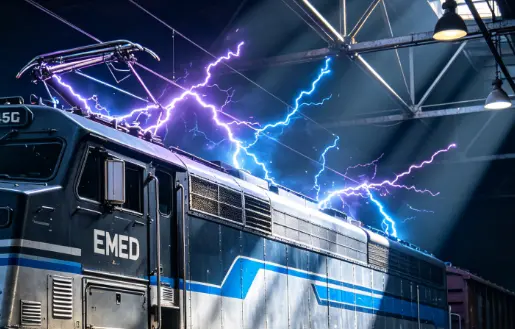
Contact Tips & EMD/GE Locomotive Contacts: The Ultimate Guide to Arc Erosion Resistance and Heavy-Duty Reliability
1. Introduction In high-power electrical systems, the failure of a single contact can lead to catastrophic equipment damage, costly downtime, and safety risks. Two critical product categories stand out in the electrical contact industry: Contact Tips for circuit breakers and EMD/GE Locomotive Con...Read more -
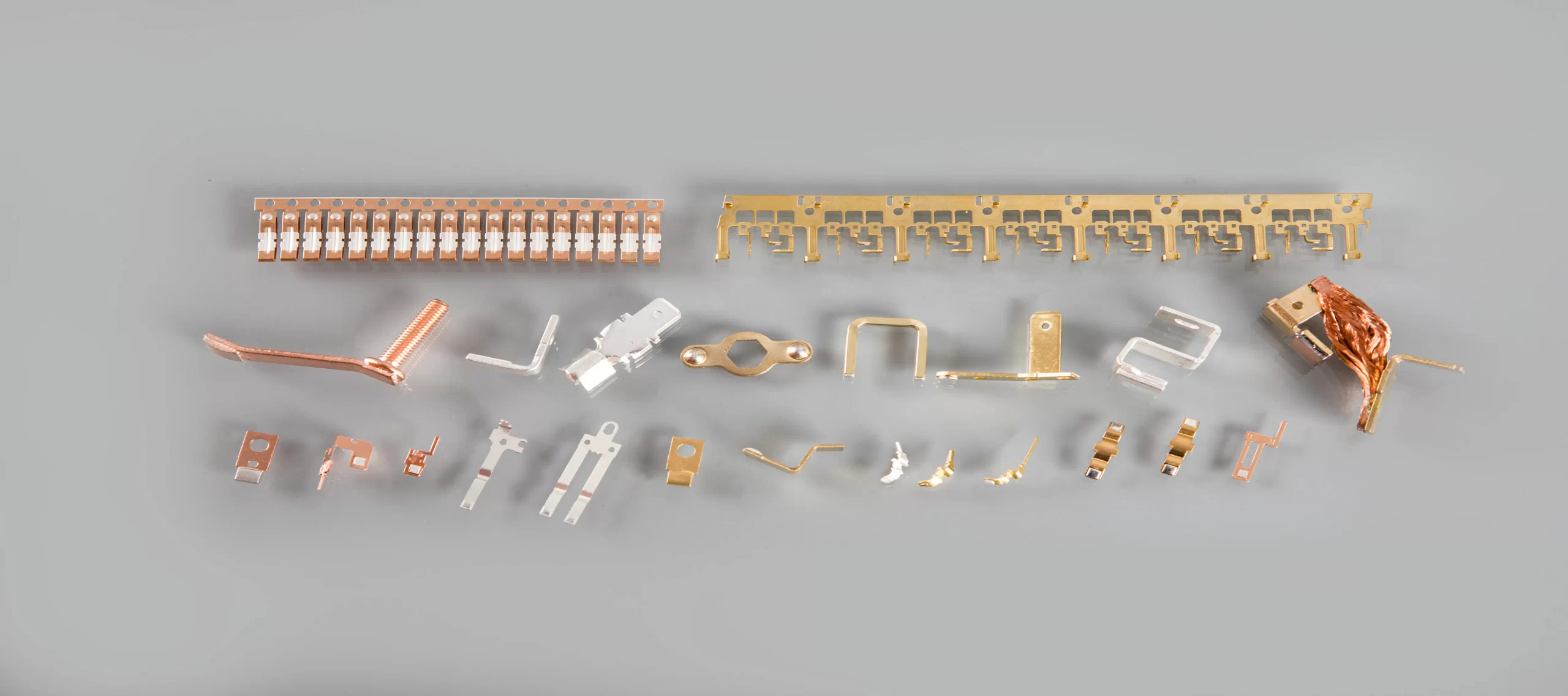
Contact Fixing on Plate: Riveting vs. Welding – Process Comparison and Selection Guide
In the manufacturing of contact assemblies for relays, contactors, and switches, the method used to fix the contact onto the plate (carrier or shunt) directly determines the product’s electrical and mechanical reliability. The two most prevalent processes are riveting (using solid or compos...Read more -
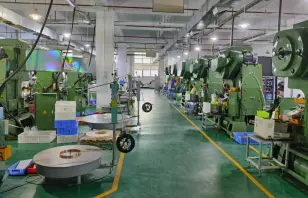
The “Invisible Guardian” in the Thermostat
Don’t underestimate this small stamped part; it is the “heart” of the thermostat that enables precise temperature control—the hot bimetallic strip stamped part. Common materials for bimetallic strips include manganese-nickel-copper alloys, nickel-chromium-iron alloys, and nicke...Read more -
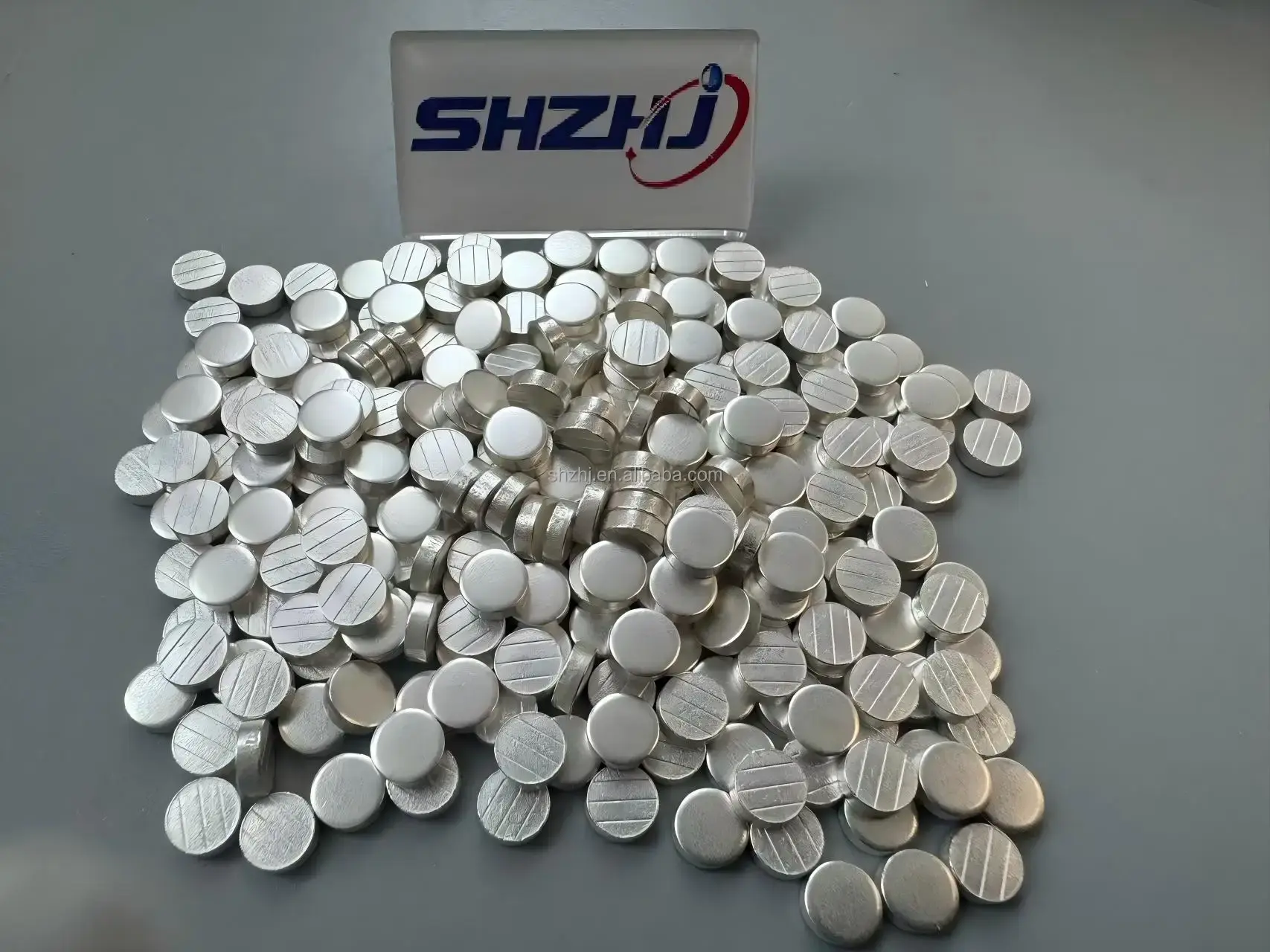
Properties & Process of Electrical AgCdO Contact Tips
In low-voltage electrical applications, silver-cadmium oxide (AgCdO) electrical contact tips have long been regarded as a ‘universal material’ due to their unique physical and chemical characteristics. This material offers low, stable contact resistance, good electrical and thermal conductivity, ...Read more -
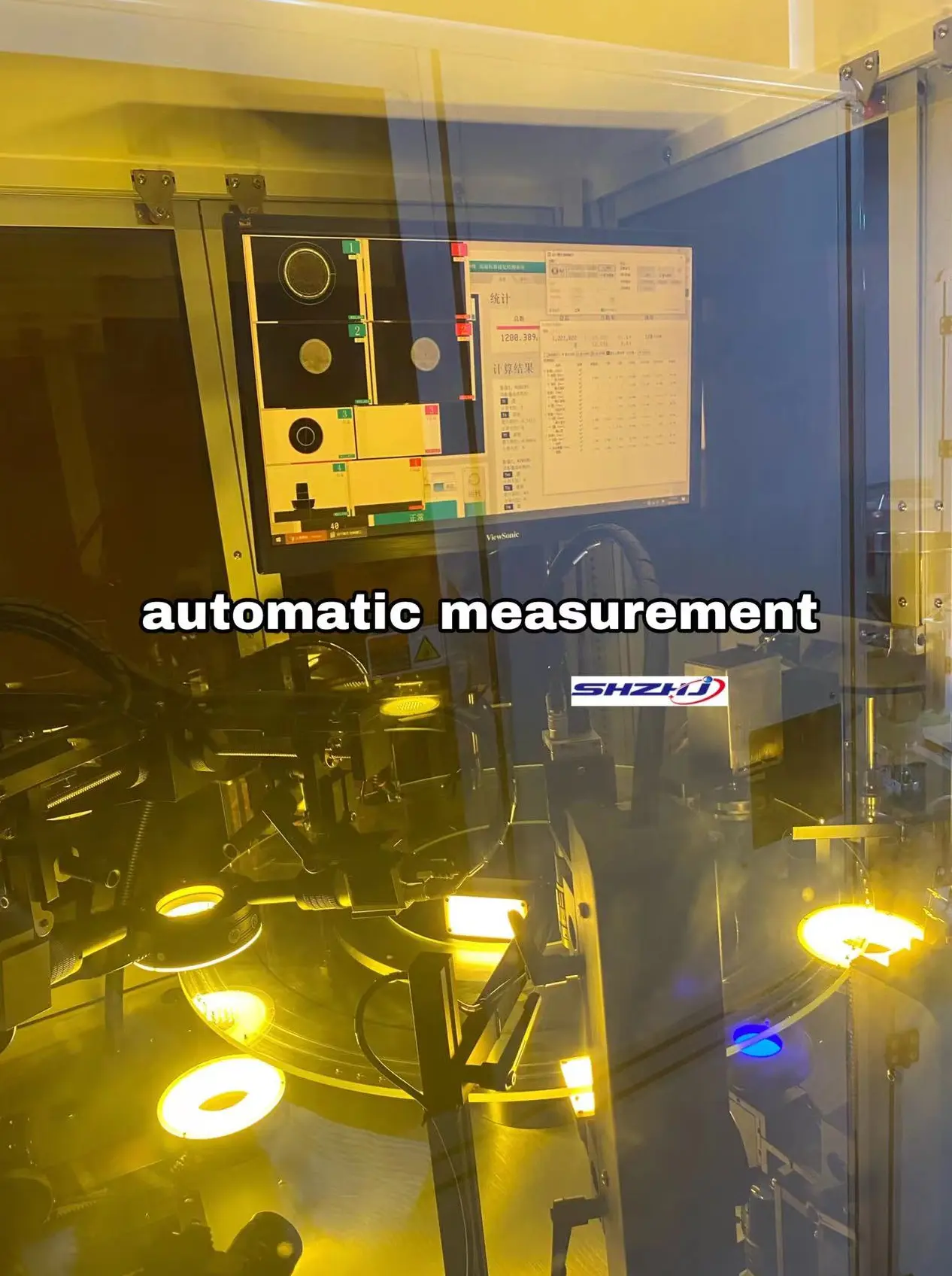
How Silver Price Volatility Impacts Switches, Relays & Contactors — And How ZHJ Helps You Stay Stable
In 2026, global silver prices are expected to continue to show strong volatility, driven by supply tightness, industrial demand growth, and macroeconomic fluctuations. For manufacturers of electrical components — especially switches, relays, and contactors — silver is not just a raw material but ...Read more -
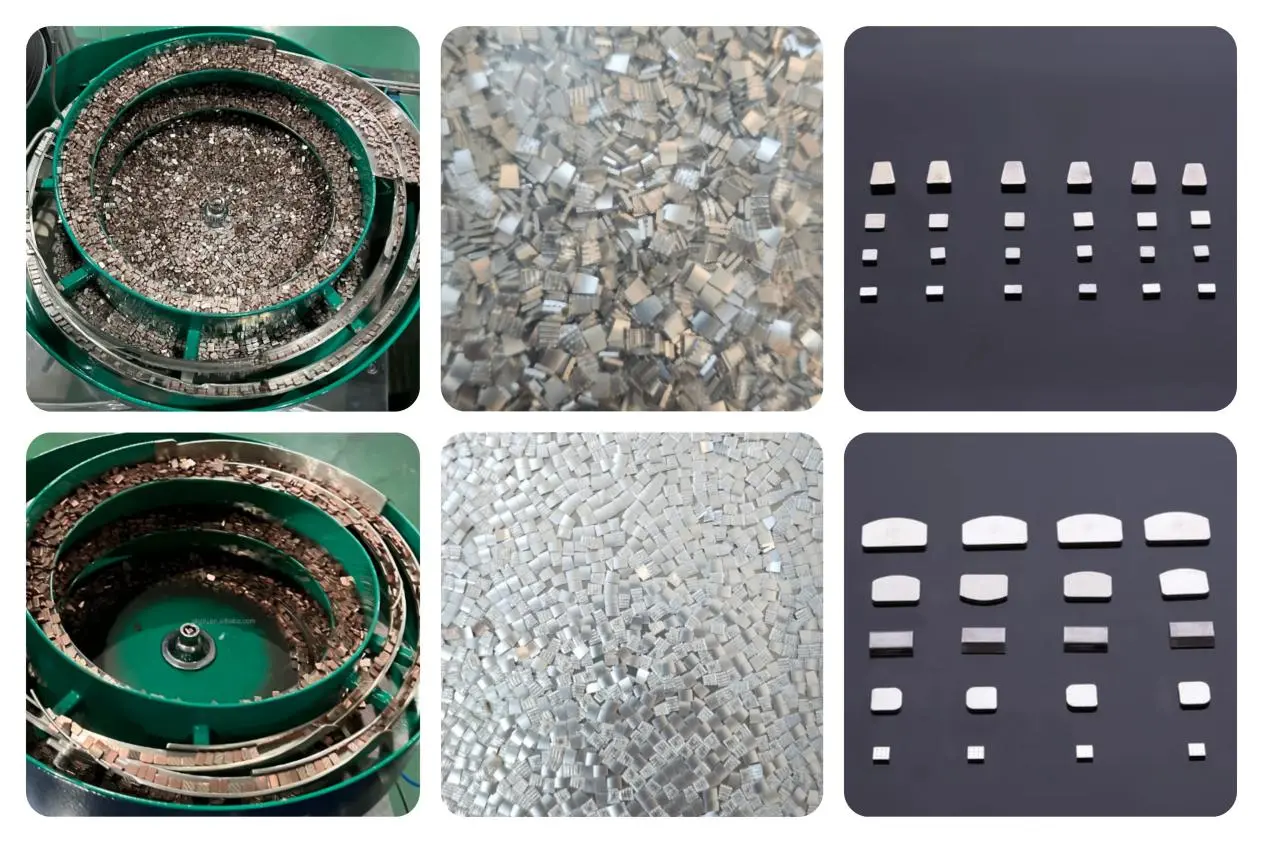
Basic Requirements for Contact Materials
To extend the service life of the product, materials used for electrical contacts must possess the following good properties. 1. Good electrical and thermal conductivity 2. Good anti-welding performance; 3. High resistance to electrical wear; 4. Good mechanical properties and weldability; 5. Chem...Read more -
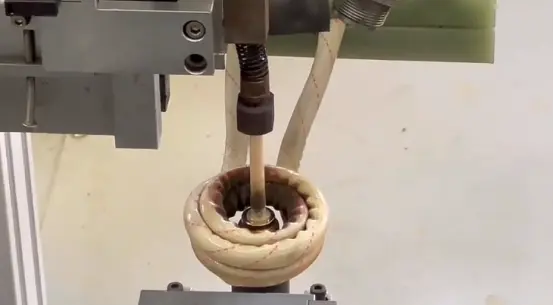
Welding process for contact assembly — resistance welding
The welding quality of contact assemblies directly determines the performance of low-voltage electrical switch products. In the welding process of low-voltage electrical contact assemblies, the appropriate selection of metal electrode materials and their structural design are essential conditions...Read more -
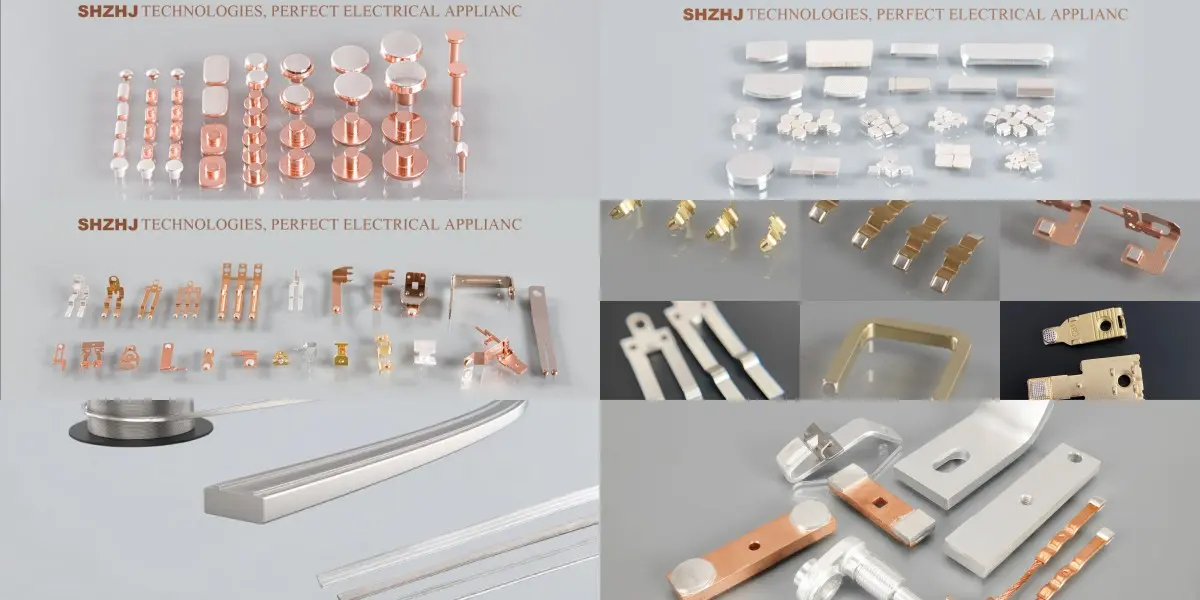
Silver Alloy Materials and Contacts: Beyond Tradition, Ushering in a New Era of High-Performance Applications
In industrial manufacturing and high-end applications, material selection often determines the final quality and core competitiveness of a product. Silver alloys, through scientific formulation and advanced metallurgical processes, combine the natural advantages of silver with the properties of o...Read more -

The Indispensable Role of Silver & Silver Alloy Materials in the AI Industry
Shanghai ZHJ Technologies Empowers AI Innovation with High-Performance Precious Metal Solutions As artificial intelligence reshapes global industry and digital infrastructure, the demand for ultra-reliable, high-efficiency electronic components has never been greater. Silver and silver alloy mat...Read more